

When purchasing undercarriage parts, you often hear the terms "Cast Steel" and "Forged." But do you truly understand how these two distinct manufacturing processes determine the strength, wear resistance, and lifespan of your components? As a global undercarriage specialist, GT (Globe Truth) takes you deep into the metal microstructure to find out.
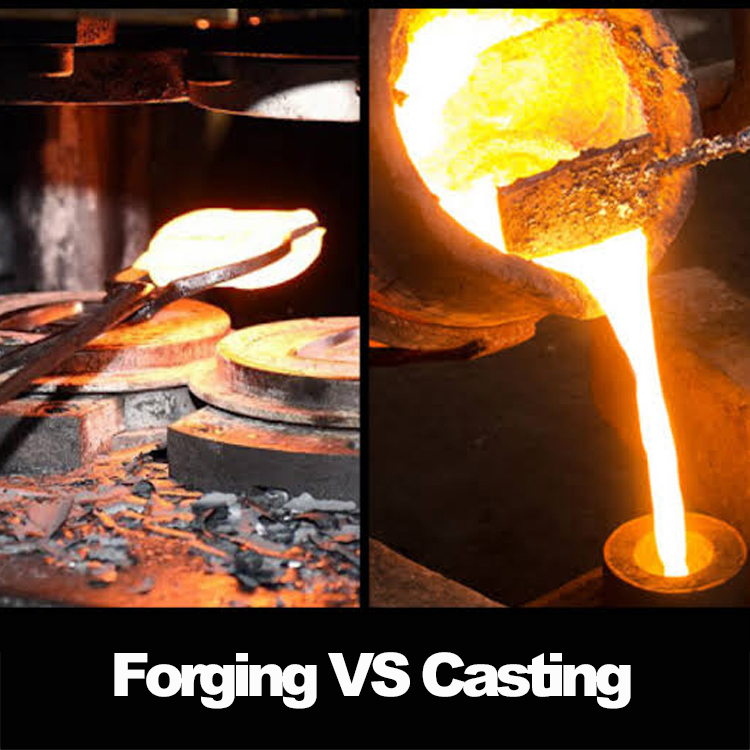
I. Forging: Reshaping the "Muscle Fibers" of Metal
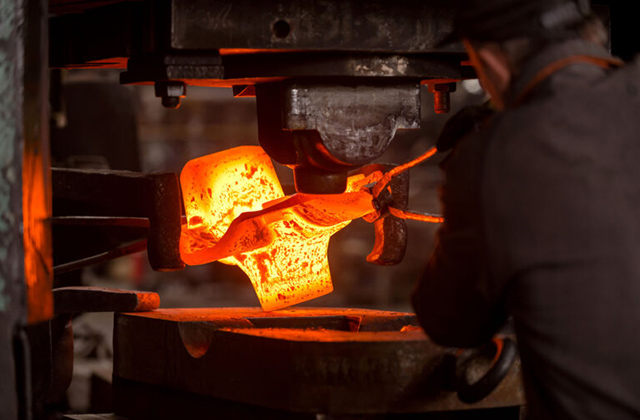
The forging process involves applying massive pressure (often thousands of tons) to a heated billet, causing plastic deformation. Imagine kneading dough — the metal's internal grains are elongated along the direction of force, forming continuous "Grain Flow" lines.
|
Property |
Outcome |
| Fatigue Resistance | Extremely High. The continuous grain flow structure effectively blocks crack propagation. |
| Impact Toughness | Excellent. Forging eliminates microscopic porosity and looseness inside the steel. |
| Applications | Track Links, Bucket Teeth, and other components subject to extreme tension and impact. |
II. Casting: The "Precision Mold" for Complex Geometry
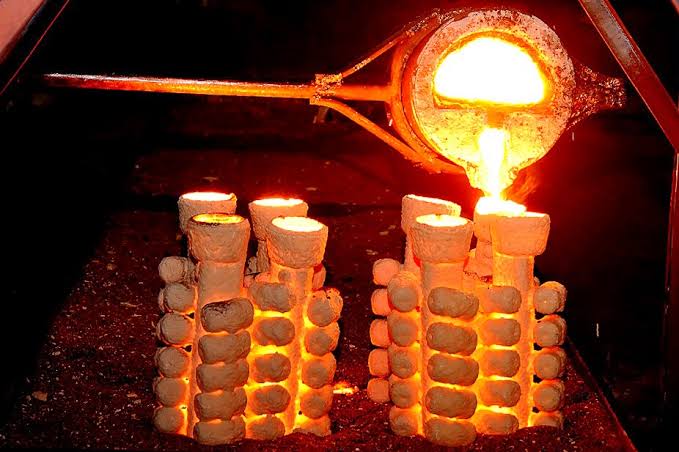
Casting is the process of pouring molten steel into a mold and allowing it to solidify. Modern precision casting can produce parts with highly complex internal profiles in a single step.
|
Property |
Outcome |
| Design Freedom | Very High. Easily creates complex structures with internal cavities, flanges, and ribs. |
| Wear Uniformity | Good. By precisely controlling the alloy composition, you can achieve uniform hardness throughout. |
| Applications | Track Rollers, Idlers, and other parts requiring complex internal geometry. |
III. Side-by-Side: The Core Differences at a Glance
|
Comparison |
Forging |
Casting |
| Microstructure | Directional grain flow, high toughness and fatigue resistance | Equiaxed grain structure, good overall hardness and wear resistance |
| Internal Defects | Minimal porosity, extremely high density | Requires strict control of porosity and shrinkage |
| Strength-to-Weight | Higher specific strength | Good specific strength |
| Typical GT Products | Track Links, Bucket Teeth | Track Rollers, Idlers |
Conclusion: The Right Process for the Right Part
There’s a saying in the heavy equipment world: "Let forgings handle the tension, and castings handle the wear." GT (Xiamen Globe Truth) rejects the "one-size-fits-all" manufacturing approach. We precisely match the optimal manufacturing process to each component's unique stress profile, ensuring your undercarriage system runs further and more reliably in the most extreme conditions.
Post time: Jul-21-2026
